
COA Library
Access Certificates of Analysis organized by product, variant, and batch. Documentation is provided for research reference only and reflects analytical findings for specific production batches.
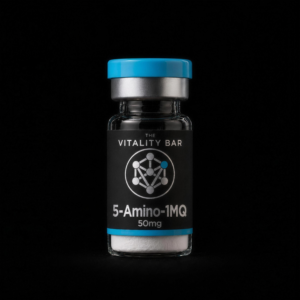
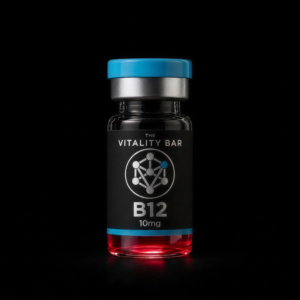
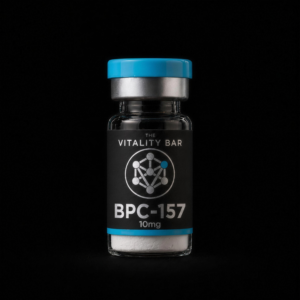
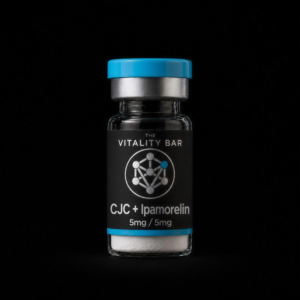
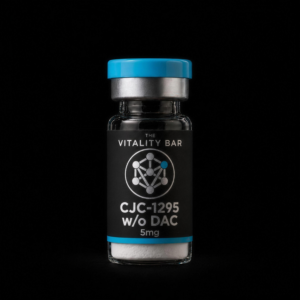
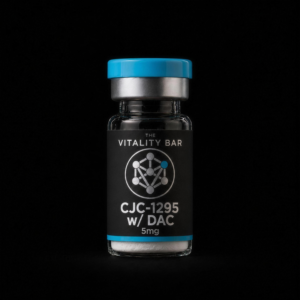
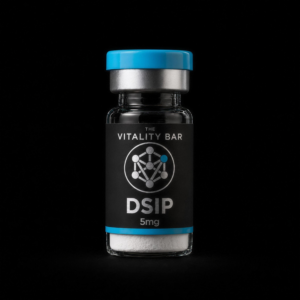
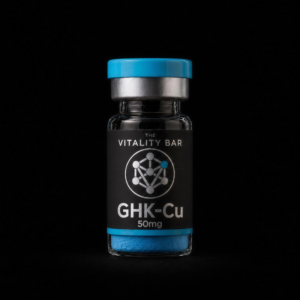
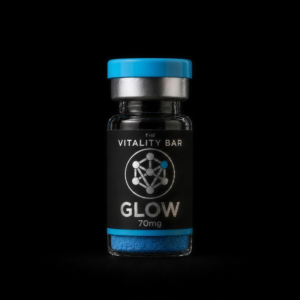
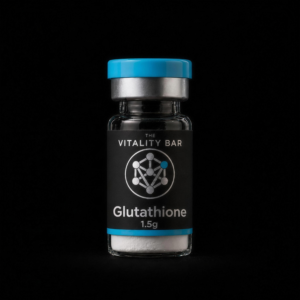
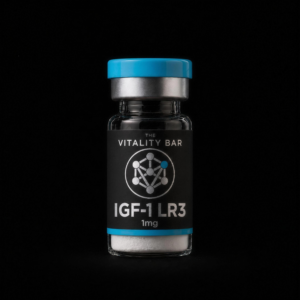
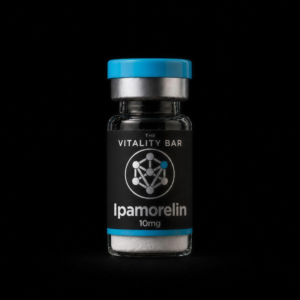
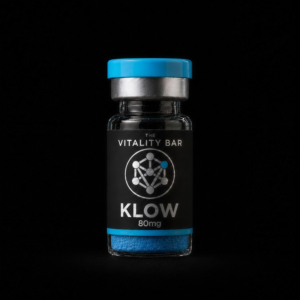
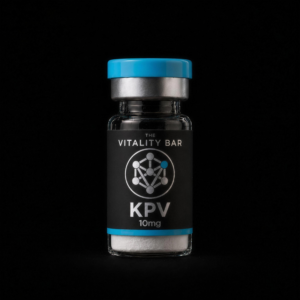
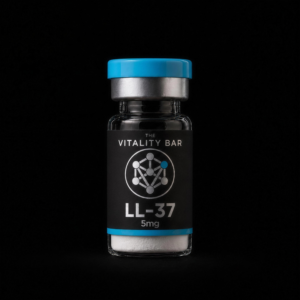
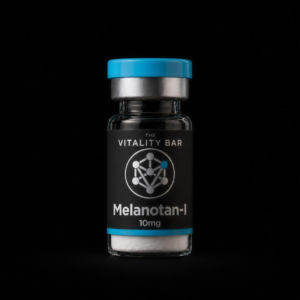
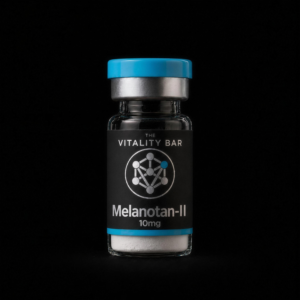
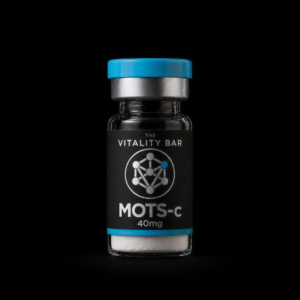
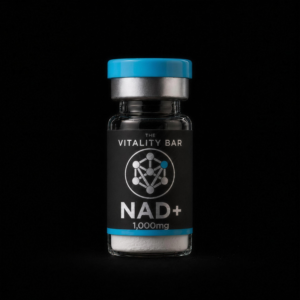
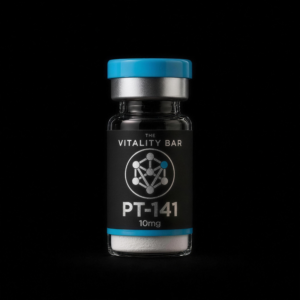
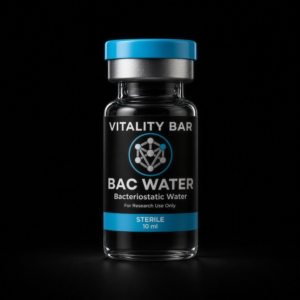
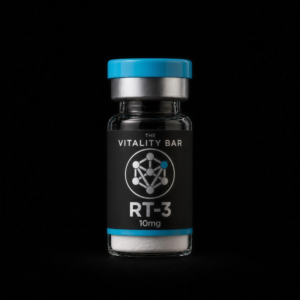
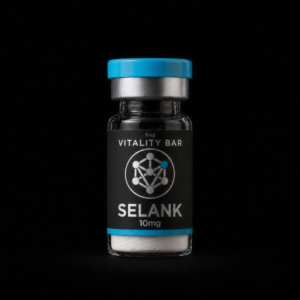
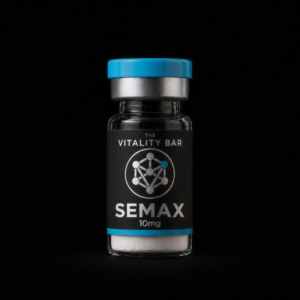
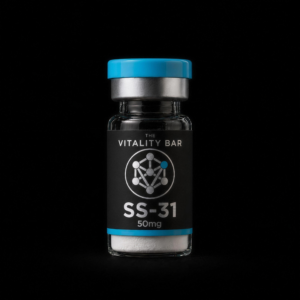
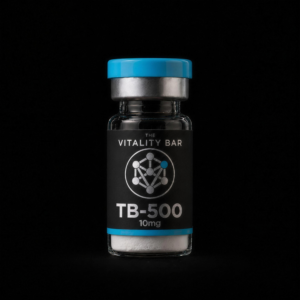
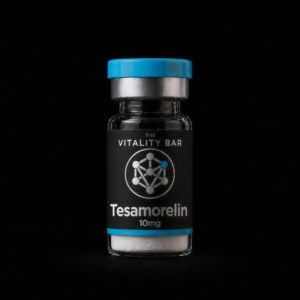
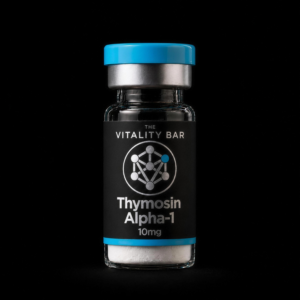
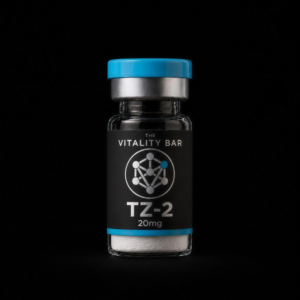
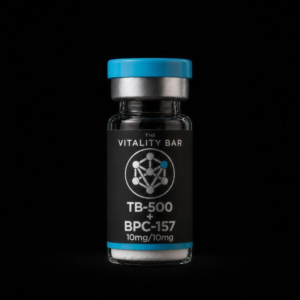
Documentation is provided for research reference only — for in vitro laboratory research use, not for human or veterinary use.
Every batch released by the Vitality Bar is backed by a Certificate of Analysis generated by an independent, ISO-accredited laboratory. COA documents provide full traceability from synthesis to shipment and are available for every product in our catalog.
Batch Testing Overview
A Certificate of Analysis (COA) is a formal document issued by a third-party analytical laboratory that certifies the quality and identity of a specific production batch. Each COA issued for Vitality Bar products includes the batch number, compound name, synthesis date, test date, testing methodology, purity result, and the laboratory's instrument sign-off.
No batch is dispatched from our fulfillment center until a passing COA has been received and reviewed. COA files are linked directly on each product page and are available in full upon request.
Testing Methodologies Explained
HPLC is the primary analytical method used to quantify purity. A sample of the compound is passed through a chromatographic column under high pressure. Components separate based on their interaction with the stationary phase, producing distinct peaks. The area under each peak is integrated to determine the relative concentration of each component. Our release specification requires ≥98% purity by HPLC area percentage.
Mass spectrometry confirms molecular identity by measuring the mass-to-charge ratio of ionized compound fragments. This provides a definitive molecular fingerprint that is cross-referenced against the theoretical molecular weight of the target compound. Mass spec is used in addition to HPLC — purity quantification alone does not confirm that the correct compound is present. Both tests must pass before a batch is released.
Purity percentage is reported as HPLC area % — the proportion of the total chromatographic signal attributable to the target compound. A result of 99.1% means 99.1% of the detected signal belongs to the primary compound. All batches are reported on the Certificate of Analysis with the exact instrument-measured value, not rounded estimates. Typical catalog compounds achieve 98–99.9% purity.
Access COA Reports
COA documents for all active catalog compounds are accessible directly on each product's detail page. Browse the full catalog to find specific batch reports, or contact our team to request a COA for a specific batch number or compound.
All data provided for research reference only. COA results reflect analytical findings for a specific batch and do not constitute a claim of safety, efficacy, or suitability for any use beyond controlled in vitro laboratory research.
All compounds are intended strictly for in vitro laboratory research use only. Not approved for human or veterinary use. For use by qualified research professionals in properly equipped facilities.